
Account-based selling (ABS) targets high-value accounts with personalized, multi-channel outreach instead of broad lead gen. 87% of marketers say ABS outperforms other initiatives on ROI. The 5 core strategies are: precise account selection, stakeholder mapping, personalized multi-channel outreach, content syndication, and sales-marketing alignment.
Last Refreshed: March 2026 with updated statistics and tool information.
Account-based selling (ABS) is a B2B sales strategy that targets specific high-value accounts with personalized, multi-channel outreach rather than casting a wide net across individual leads. According to Foundry’s survey, 87% of marketers who measure ROI say ABS outperforms all other marketing initiatives.
From Daniel Conn, GTM Strategist, graph8: “Most ABS programs fail at the targeting stage — teams burn resources on 500-account lists when 50 deeply researched accounts would drive 3x the pipeline. The quality of account selection determines everything downstream.”
In the world of B2B sales, ABS is a powerful strategy. It focuses on targeting high-value accounts with personalized and relevant information. By aligning sales and marketing efforts, ABS not only increases the chances of closing deals but also shortens the sales cycle and enhances customer retention. CIENCE has deployed ABS programs for 2,500+ clients across 250+ industries, earning a 4.6/5 rating on Capterra.
To fully capitalize on ABS’s potential, companies must embrace a holistic strategy that integrates various tactics designed to engage and nurture their most valuable accounts. This article delves into how various tactics can enhance your ABSD strategy, leading to increased reach, deeper engagement, and ultimately, significant business growth.
What is Account-Based Selling (ABS)?
Before diving deeper, let’s understand what ABS is. Account-Based Selling is a sales strategy that targets specific high-value accounts instead of individual leads. This approach involves close teamwork between sales and marketing teams to create personalized experiences for each target account.
Key Parts of Account-Based Sales Development
- Account Intelligence: Gathering detailed information about target accounts, like their needs, behaviors, and pain points.
- Personalization: Creating tailored messages and offers based on the gathered information.
- Collaboration: Ensuring sales and marketing teams work together to align strategies and share insights.
- Measurement: Tracking and analyzing key performance metrics to improve strategies continuously.
The Role of Account-Based Selling in Business Growth
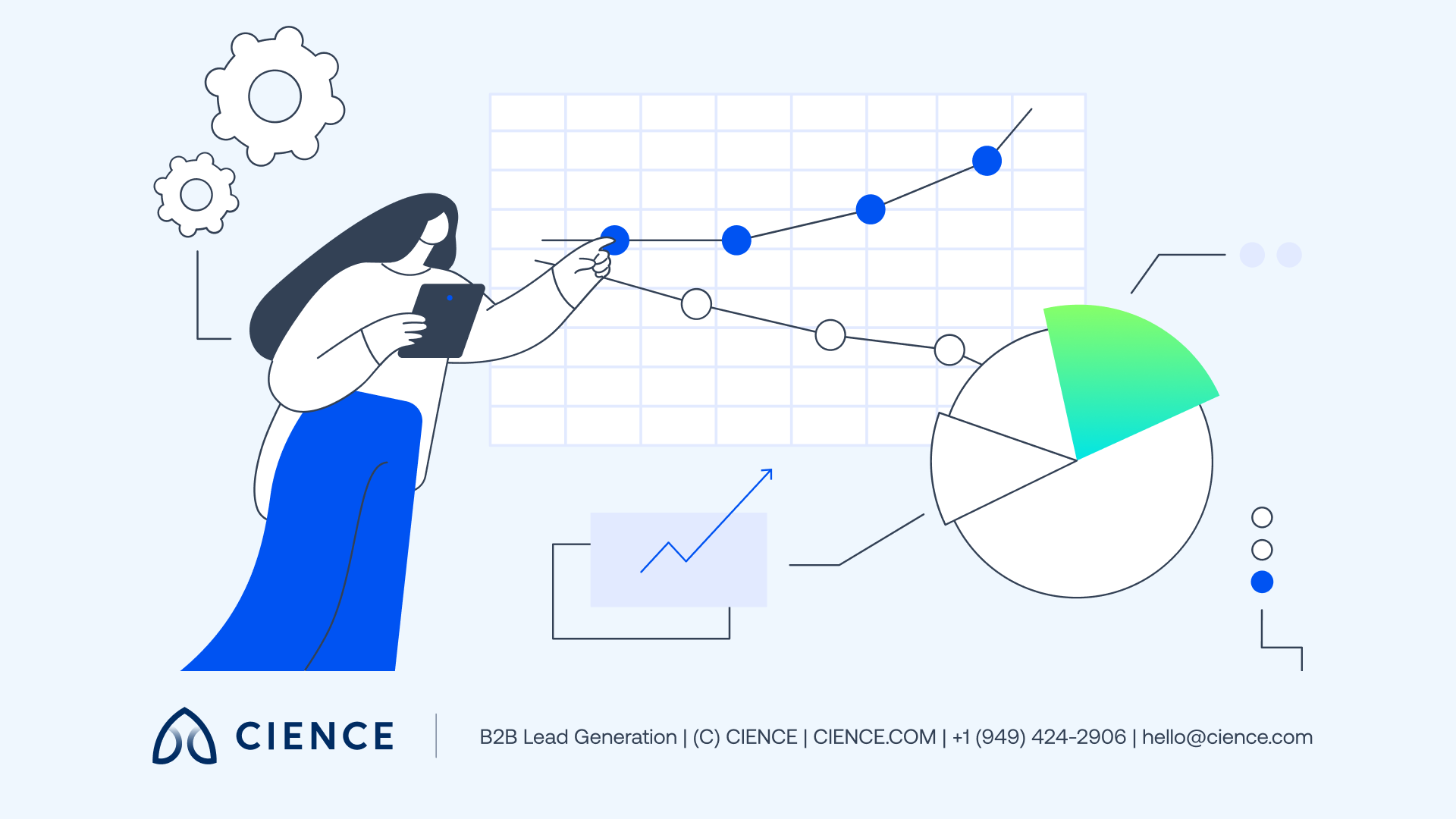
Account-based sales development is a transformative approach that directly contributes to business growth by shifting the focus from broad-based lead generation to targeted account engagement. This strategy is particularly effective in B2B sales, where high-value accounts can significantly impact revenue. Unlike traditional sales methods, ABSD targets specific accounts, allowing for more personalized and effective engagement.
Targeted Account Engagement
ABSD zeroes in on high-value accounts, enabling companies to tailor their sales and marketing efforts to the unique needs of each target. This focused approach increases the chances of closing deals and driving revenue growth.
Shortened Sales Cycles
ABSD also helps shorten the sales cycle by engaging key decision-makers early in the process. This targeted engagement accelerates the time it takes to move accounts through the sales funnel, leading to faster business growth.
Proven Account-Based Selling Strategies to Scale Your Business
To unlock the full potential of ABSD and drive substantial business growth, it’s essential to implement targeted strategies that ensure your efforts are focused, personalized, and measurable. Here’s a deeper look into the key strategies to maximize the impact of ABSD:
#1. Precise Account Selection
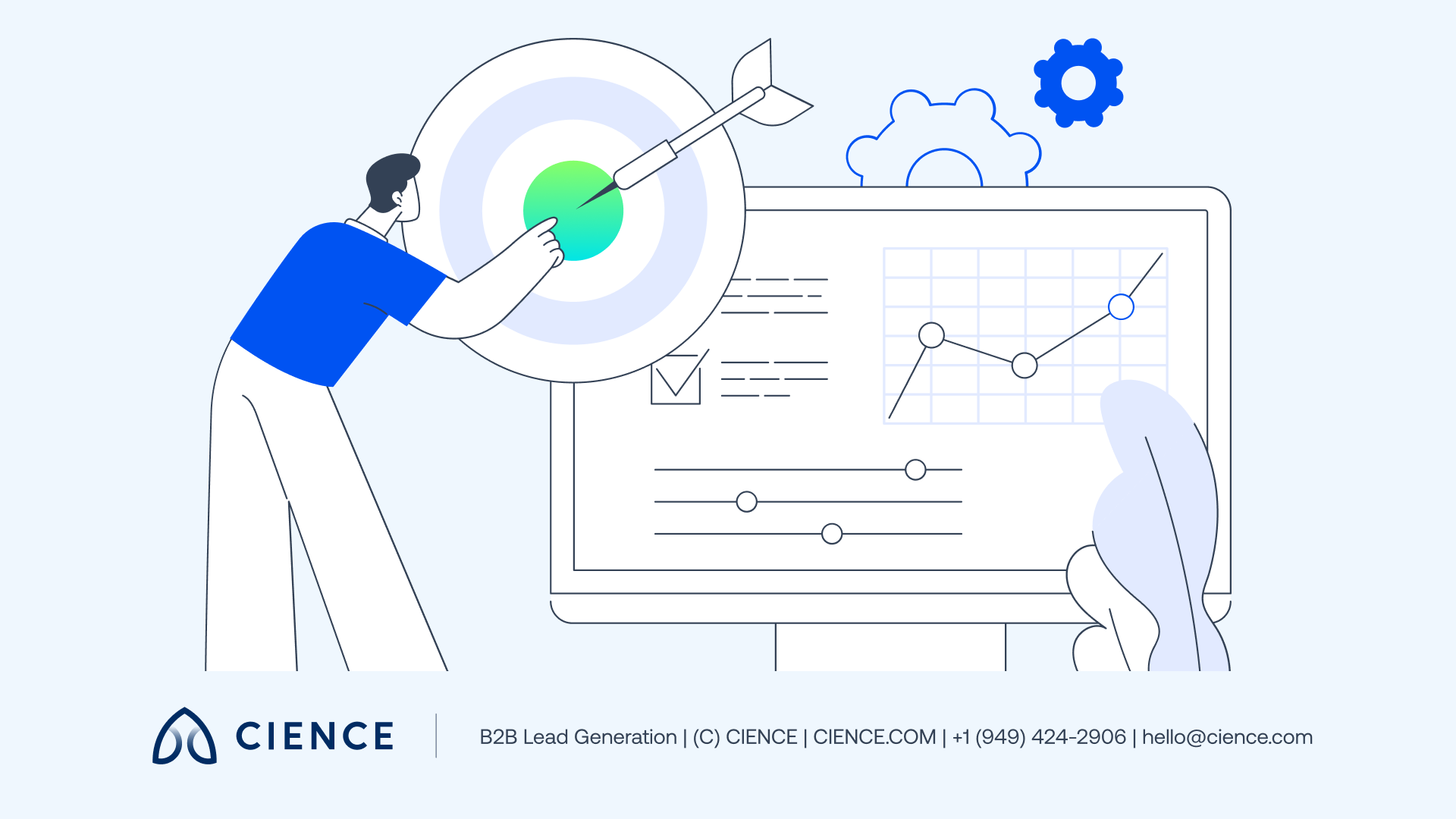
Effective ABSD starts with selecting the right accounts. Instead of casting a wide net, focus on identifying high-value accounts that are most likely to benefit from your product or service.
- Use firmographic data, such as company size, revenue, and industry, to narrow down your target accounts.
- Analyze existing customer data to identify characteristics of your most successful accounts.
- Collaborate with sales and marketing to prioritize accounts based on strategic importance and revenue potential.
#2. Account Mapping and Stakeholder Identification
Understanding the internal structure of your target accounts is crucial. Identify key stakeholders and decision-makers within each account to ensure your outreach is directed at the right people.
- Map out the organizational structure of each target account, identifying key influencers and decision-makers.
- Use tools like LinkedIn Sales Navigator to gather information on stakeholders’ roles, interests, and connections.
- Develop personalized outreach plans for each stakeholder, focusing on their specific responsibilities and pain points.
#3. Personalized Multi-Channel Outreach
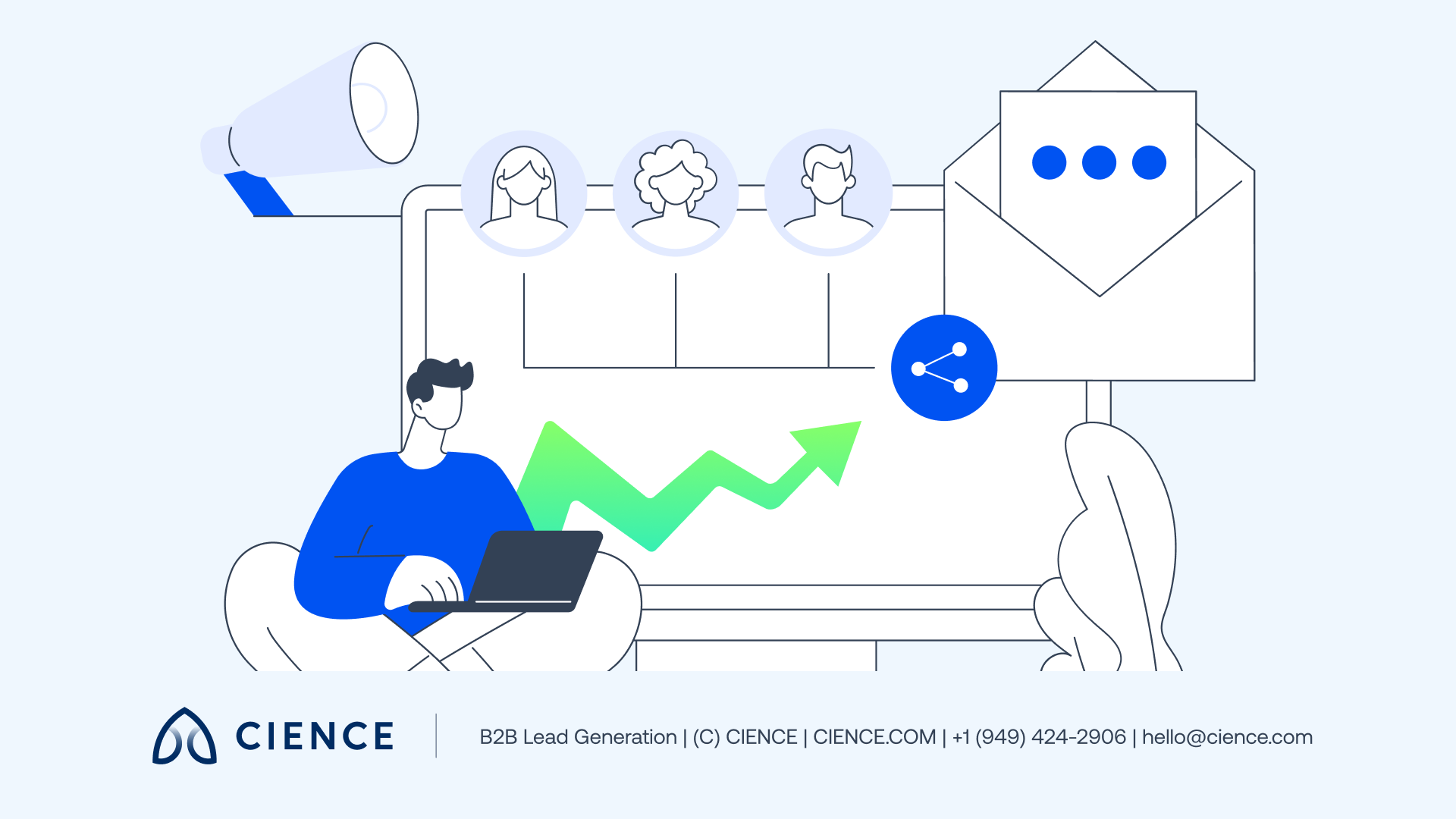
ABSD thrives on personalized, multi-channel engagement. Tailor your outreach efforts to each account’s unique needs, using a combination of channels to ensure consistent and impactful communication.
- Develop personalized email sequences, phone scripts, and LinkedIn outreach for each target account.
- Use direct mail or personalized gifts to stand out and create a memorable impression.
- Implement a cadence of touchpoints across email, phone, social media, and direct mail, ensuring a consistent and cohesive message.
#4. Leveraging Content Syndication
Content syndication is the process of distributing content across various platforms and channels to reach a broader audience. In the context of ABSD, content syndication plays a crucial role in engaging target accounts and nurturing them through the sales funnel. By embedding content syndication into its ABSD strategy, companies can amplify their reach, deliver personalized content, and drive meaningful interactions with high-value accounts.
Benefits of Content Syndication in ABSD
Increased Reach
Content syndication allows companies to extend their content’s reach beyond their own channels, ensuring that target accounts encounter relevant content wherever they are.
Enhanced Engagement
By distributing personalized content across multiple platforms, companies can engage target accounts more effectively, capturing their attention and interest.
Lead Nurturing
Content syndication helps nurture leads by providing valuable information and insights at different stages of the buyer’s journey.
Data Collection
Syndicated content generates valuable data on how target accounts interact with the content, providing insights that can be used to refine ABSD strategies.
How to Use Content Syndication in ABSD
Here’s a step-by-step guide on how to integrate content syndication into your ABSD strategy:
1. Identifying Target Accounts
The first step in ABSD is identifying high-value target accounts. This involves using account intelligence to gather detailed information about potential accounts, including their industry, size, pain points, and buying behavior. By understanding the specific needs and challenges of each account, you can create highly personalized content that resonates with the target audience.
2. Creating Personalized Content
Once target accounts are identified, focus on creating personalized content tailored to the needs and interests of each account. This content can take various forms, including blog posts, whitepapers, case studies, and more. The key is to ensure that the content addresses the specific pain points and challenges of the target accounts, providing valuable insights and solutions.
3. Distributing Content Across Multiple Channels
With personalized content in hand, leverage content syndication to distribute the content across multiple channels. This includes both owned channels (such as the company’s website and social media profiles) and third-party platforms (such as industry publications, partner websites, and content syndication networks). By syndicating content across a diverse range of platforms, you can maximize your reach and ensure that target accounts encounter the content wherever they are.
4. Engaging Target Accounts
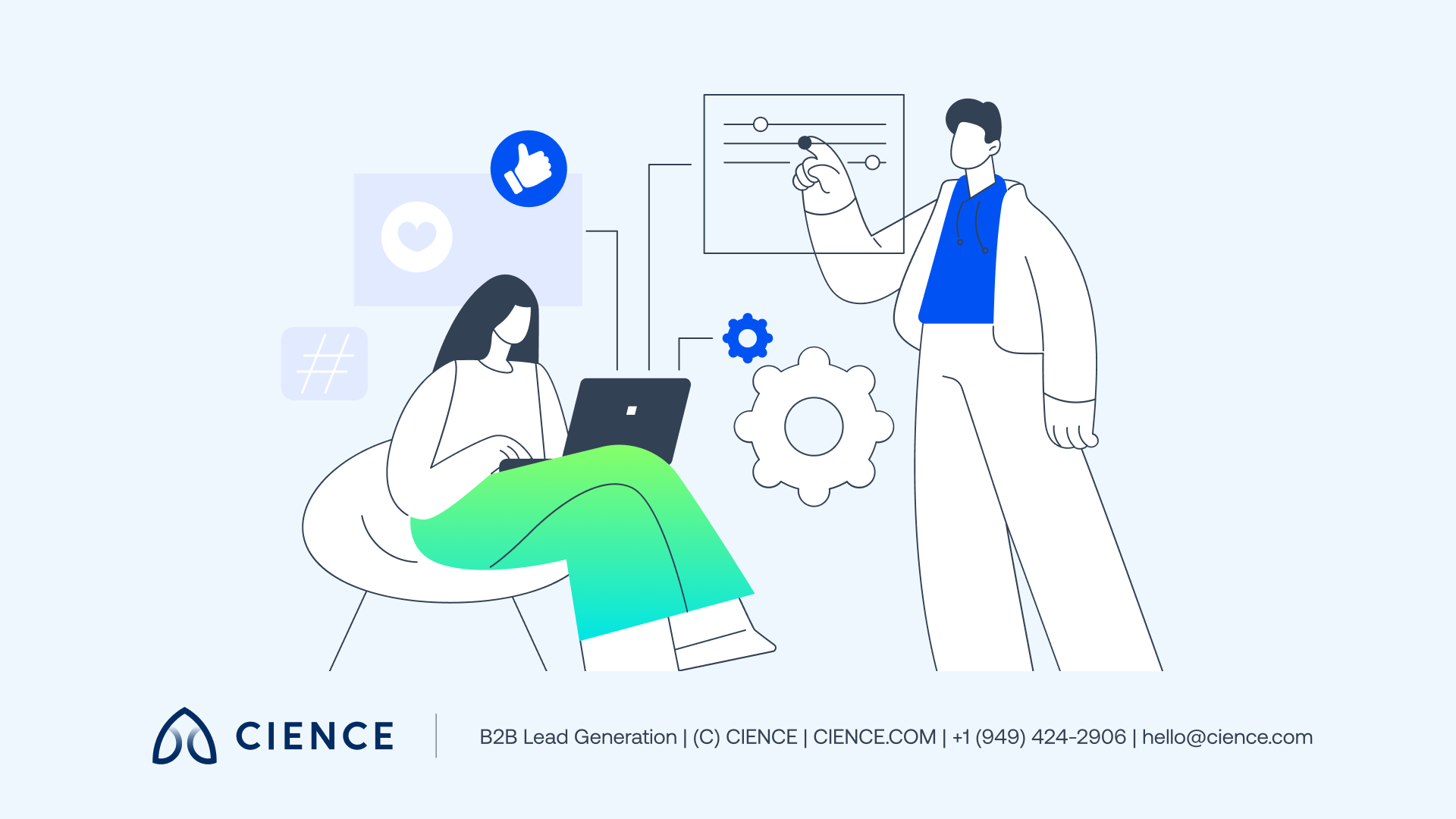
Content syndication is not just about distributing content; it’s also about engaging target accounts. Use various tactics to drive engagement, including:
- Personalized Outreach: Sending personalized emails and messages to target accounts, directing them to the syndicated content.
- Social Media Engagement: Sharing syndicated content on social media and engaging with target accounts through comments, likes, and shares.
- Retargeting Campaigns: Using retargeting ads to ensure that target accounts who have interacted with the content continue to see relevant content as they browse the web.
5. Measuring and Analyzing Performance
To ensure the effectiveness of your content syndication efforts, track and analyze key performance metrics. This includes metrics such as:
- Content Engagement: Measuring how target accounts interact with the syndicated content (e.g., views, clicks, shares).
- Lead Generation: Tracking the number of leads generated from syndicated content.
- Conversion Rates: Analyzing the conversion rates of leads generated from syndicated content.
- Account Progression: Monitoring how target accounts move through the sales funnel after engaging with the syndicated content.
Content syndication is a powerful tool that, when embedded into a broader Account-Based Sales Development strategy, can significantly enhance engagement and drive sales success. By targeting key accounts, crafting personalized content, and distributing it across multiple channels, companies can effectively nurture high-value prospects through the sales funnel. This approach not only helps in achieving ABSD goals but also ensures long-term success in the competitive B2B sales landscape.
“We achieved a fantastic 10% conversion rate across 150 qualified target companies. The focused, account-based approach made it possible to prioritize the right deals and close faster.” — Turn Technologies
#5. Sales and Marketing Alignment
Successful ABSD requires seamless collaboration between sales and marketing teams. Alignment between these teams ensures that messaging is consistent and that efforts are coordinated effectively.
From Thomas Cornelius, Founder & CEO, graph8: “Marketing and sales alignment isn’t about meetings and handoffs — it’s about shared data infrastructure. When both teams operate from the same intelligence, the pipeline builds itself.”
When your cost per lead keeps climbing but pipeline stays flat, adding another tool won’t fix it. You need a different system.
- Hold regular alignment meetings to ensure both teams are on the same page regarding target accounts, messaging, and outreach strategies.
- Develop shared goals and KPIs to measure the success of your ABSD efforts.
- Create joint content and collateral that sales can use during their outreach, ensuring it aligns with marketing’s overall strategy.
Ensure Sustainable Growth with Targeted Account-Based Sales Strategies
Account-Based Sales Development is a transformative strategy that, when executed effectively, can significantly contribute to business growth. By focusing on high-value accounts and aligning sales and marketing efforts, companies can create more meaningful engagements, shorten sales cycles, and enhance customer loyalty.
While ABSD requires a comprehensive and thoughtful approach, its benefits far outweigh the investment. As B2B sales continue to evolve, those who fully integrate ABSD into their overall strategy will be well-equipped to drive sustained growth and maintain a competitive edge in their market.
Accelerate Lead Generation with Content Syndication

“The CIENCE team is aggressive in generating leads and continuously fine-tunes campaigns for success. Their expertise has been a game-changer for us.” — Russell DeSalvo, VP of Sales
CIENCE + graph8 pricing: $5,000 one-time GTM system setup, $2,499/mo strategic execution, and the graph8 platform at $499/mo. No long-term contracts. See full pricing →
Whether or not you decide to work with us, you’ll walk away with a clear picture of where your pipeline is leaking and what it would take to fix it.
Frequently Asked Questions
What is the difference between account-based selling and traditional lead generation?
Traditional lead generation casts a wide net to capture as many individual leads as possible, then qualifies them. Account-based selling flips this by identifying high-value target accounts first, then crafting personalized outreach for each. ABS typically delivers 87% higher ROI because resources focus on accounts most likely to close.
How many accounts should a sales team target with ABS?
Most successful ABS programs target between 50 and 500 accounts per rep, depending on deal size and sales cycle complexity. Enterprise-focused teams often work 50-100 accounts with deep personalization, while mid-market teams may handle 200-500 with scaled personalization through content syndication and multi-channel cadences.
How long does it take to see results from account-based selling?
ABS typically shortens the overall sales cycle by engaging decision-makers earlier in the process. Most teams see measurable pipeline impact within 3-6 months of launching an ABS program, with shortened sales cycles and higher win rates emerging as the strategy matures and sales-marketing alignment strengthens.

A graph8 company — AI-powered GTM execution across 250+ B2B industries.
graph8 Platform
From $499/mo
Run your own GTM campaigns with AI-powered data, sequences, and analytics.
Start Free — 2,500 Credits No credit card requiredCIENCE Managed
From $2,499/mo
Our GTM teams build and run your outbound campaigns end-to-end.
15-min call · No commitment2,500+ B2B companies served · Month-to-month contracts · See full pricing →